

I'm sorry you got mad
& other non apology, apologies

Hello again! I hope everyone who celebrated had a wonderful New Year! I so appreciated the pause in our ‘programming’ so I could focus on holidays and my family - thanks for your patience!
If you’re not familiar, the 10 days between Jewish New Year (Rosh Hashanah) and the Day of Atonement (Yom Kippur), Jews are supposed to apologize to those we have hurt or wronged in the past year and ask for forgiveness. It’s a beautiful custom, and I fall short (in a myriad of ways!), every single year. Needless to say, the topic of apologies has been on my mind this season!
I think about my toddler, who after biting her sister (because she took her lovey) came back and apologized. “I’m sorry for biting you. Do you need a hug, a high five, or space?” … honestly, pretty good. (No, I didn’t teach her this, all the credit goes to her teachers.)
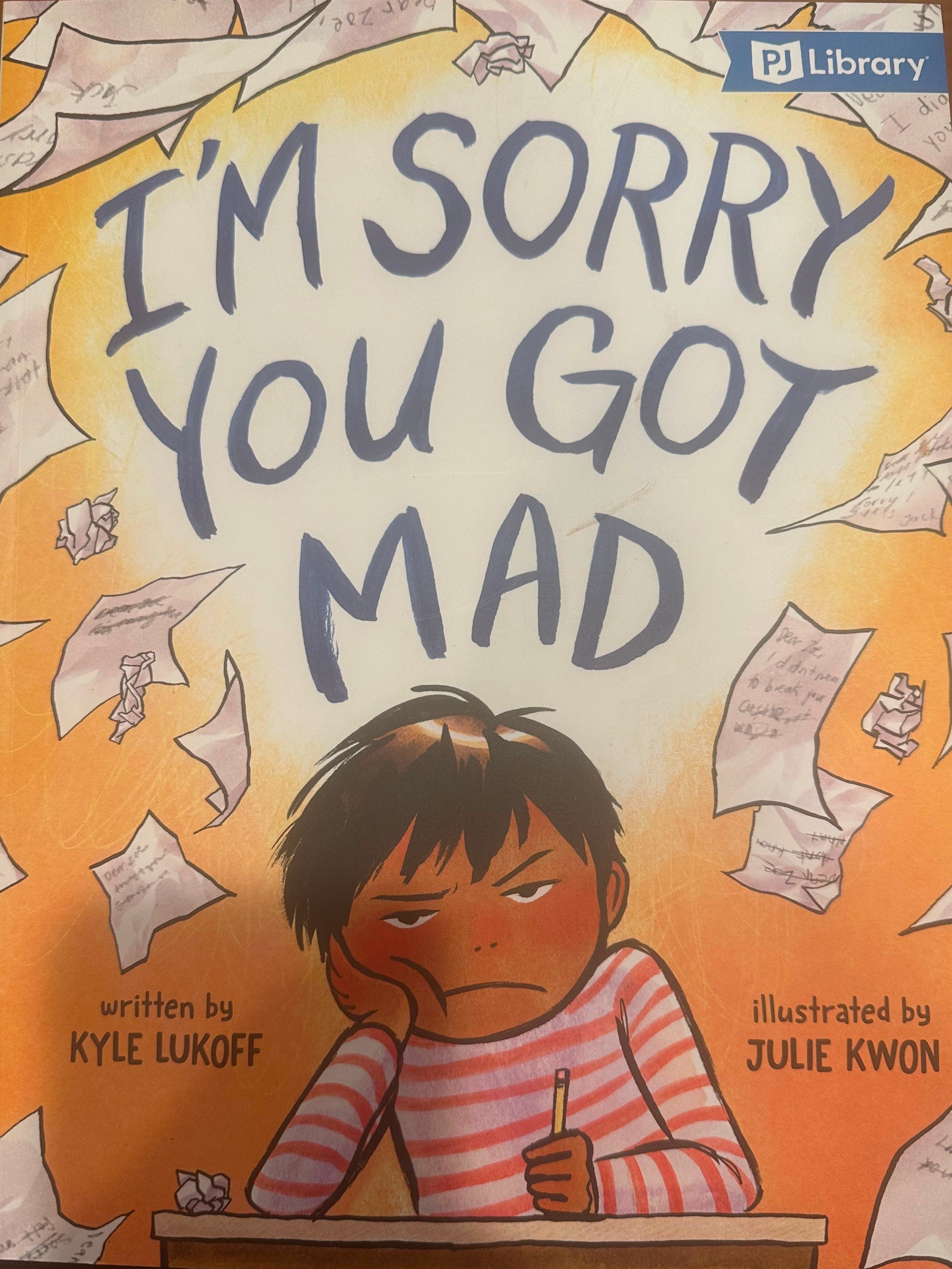
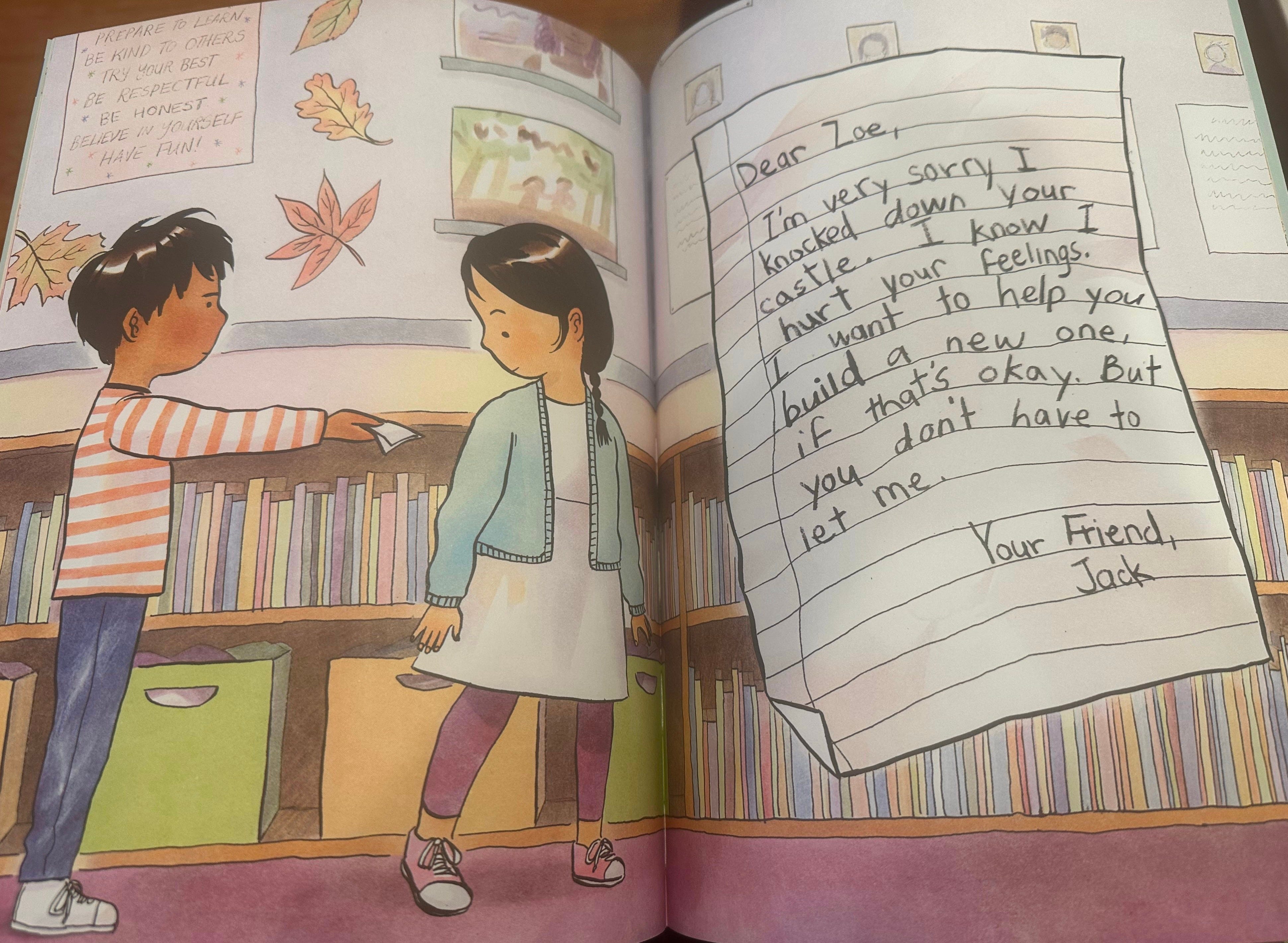
Or, a beloved children’s book - “Sorry you got Mad” in which a little boy has to workshop a written apology to one of his classmates for knocking over her tower… he goes through *many* drafts, with teacher edits, finally settling on a heartfelt, remorseful apology that shows his willingness to help fix it. He doesn’t offer an explanation for his behavior, nor does he demand or expect forgiveness. (Highly recommend)
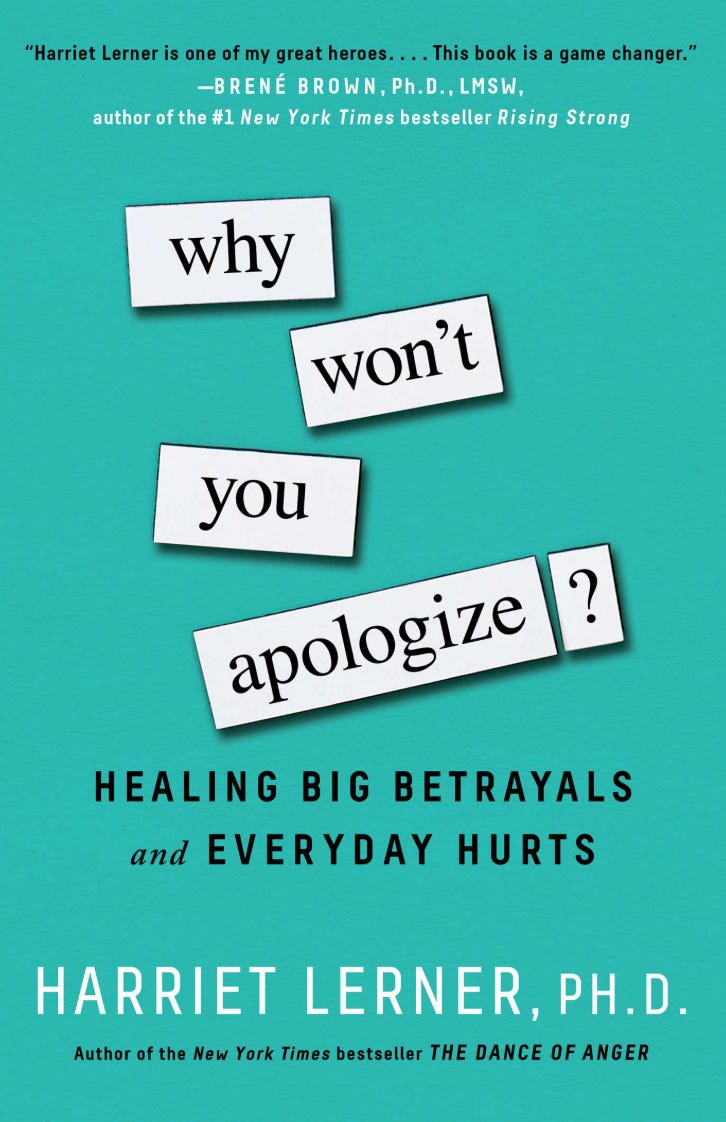
My favorite (grown up) book on this topic is "Why Won’t You Apologize?” by Dr. Harriet Lerner. She expertly begins her book by describing the ways people most often ruin apologies, what makes a great apology, and how to heal if you never get the apology you’re hoping for.
Over the next few newsletters, we’ll go through some of (what I believe to be) her most salient lessons and tools for apologies, non defensive listening and self-healing. I joked with a friend that this is the Slow Magic apology unit.
So, without further ado —Dr. Lerner’s essential components of a good apology: what to do and maybe more importantly, what *not* to do!
A true apology —
Does not include the word “But”
When “but” is tagged onto an apology it undoes its sincerity. Yes, even if what comes after the but is true, it makes the apology false. It conveys that your behavior (whatever it may be) was justifiable.
Keeps the focus on your actions, not the other person’s response.
“I’m sorry you feel that way” — avoids accountability and instead turns the table on the other person’s emotions.
“I’m sorry if I was insensitive” or “I’m sorry if you took what I said to be offensive” — the sneaky “if” in this statement acts just as a “but.” It feels condescending and is not a genuine apology. Try instead, “the comment I made was offensive. I’m sorry I was insensitive and I want you to know it won’t happen again” (p. 18)
Includes an offer of reparation or restitution that fits the situation.
This could be something as simple as offering to pay the dry cleaning bill if you spilled on someone’s shirt. Or, something perhaps more complex, like a larger commitment and dedication to deeper behavior change (going to therapy, abstaining from alcohol, etc.)
Or, like my beloved toddler - a simple ask, what do you need? A hug? A high five? or space?
Does not Overdo
When we overdo our apology we often create such a big fuss, or show such an outpouring of emotion, the hurt party then feels inclined to offer comfort or diminish their own hurt in the effort of managing the situation.
I think about certain moments I’ve shared my hurt with someone, only for their apology to be so teary, so huge and shame filled (I am so terrible, I was so awful etc.) that a) it isn’t really an apology and b) I end up comforting them and diminishing my own need for a true, measured apology with full accountability.
Does not get caught up in who is more to blame or who started it
This is the pitfall I find with most couples. There is such a need to justify, explain or feel “right” in conflict. We want to provide context and often it is because we want to feel more understood by our partner. Unfortunately, that ‘apology’ isn’t an apology; it ends up being a form of litigation. We need to separate apologies and process conversations - those are for a different time!
Requires that you do your best to avoid a repeat performance
Pretty self explanatory… don’t do it again (to the best of your ability. Obviously, we aren’t perfect robots but we should be trying really hard.)
Should not serve to silence
How often do you hear an apology that feels more like a reflex to shut you up? Perhaps the person who hurt you feels so covered in shame, or so defensive they cannot tolerate listening to your hurt (or, they just refuse to engage in a true conversation) — so they jump to the apology before really understanding the *how* of the hurt. (we’ll get more into this next week!) You feel like the apology was really just a way to end the conversation.
Should be offered to make you feel better if it risks making the hurt party feel worse
Apologizing to someone who truly does not want to hear another word from you is intrusive. This is mostly enacted in scenarios of deep, deep hurt and betrayal — the hurt party is working to create distance, heal, and move on - without an apology from their perpetrator. You are seeking an apology because it would make you feel better without considering the impact on the hurt party.
Does not ask the hurt party to do anything, not even forgive.
Your apology is not an automatic ticket to forgiveness or redemption. In fact, that desire is entirely about your need for reassurance and inability to sit in the distress of potential conflict. The pressure to forgive can often create a wound of its own, further injuring the hurt party. We need to allow time for their own emotional process - which requires sitting with hurt and anger. Apologies need their own space and time to take hold.
How do these sit with you? Are you familiar with some (or all) of them? I certainly am! Think about a moment when you apologized recently — did it meet this criteria? Did you fall short? Or, perhaps - were you apologized to… did it feel genuine and remorseful? Or, did it feel curt or defensive?
Next week - we’ll explore the “before” work that must go into a thoughtful and remorseful apology. How to hear that you’ve harmed someone in your life — and to stay in the conversation with curiosity and non defensiveness. [Hint: only once we feel fully heard and acknowledged will your apology be effective.]
Thanks for being here — please share with your partner or a friend if this feels meaningful to you! Or subscribe, if you’d like these newsletters straight to your inbox on Thursdays!
with gratitude,
Sasha